
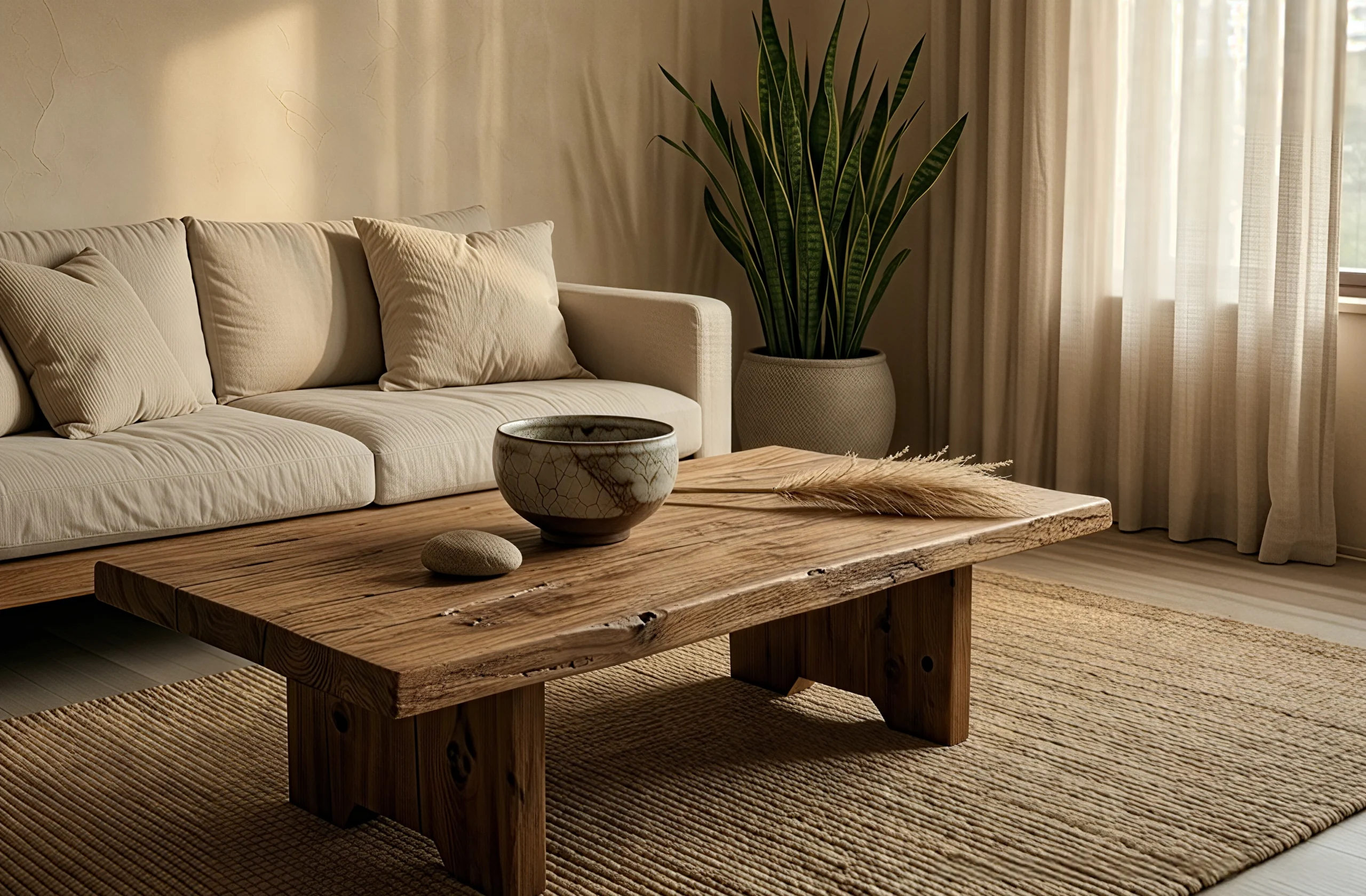
There is a crack in the ceramic bowl on your kitchen shelf. The linen cushion has softened and creased from use. The wooden tray carries the faint ring left by a coffee cup months ago. In most homes, these are seen as flaws to be hidden or replaced. In a wabi-sabi home, they are the entire point.
Wabi-sabi is the Japanese philosophy of finding beauty in imperfection, impermanence, and the incomplete. When applied to interior design, it acts as the ultimate antidote to the pressure of the “perfectly curated” home—the one that looks flawless in a Pinterest pin but never quite feels lived in. Wabi-sabi asks you to stop chasing an impossible standard and start noticing the quiet beauty in what you already inhabit.
This is a framework for 2026—the materials, the principles, and the room-by-room practice of a philosophy that is less about buying and more about seeing differently.
What Wabi-Sabi Actually Means (and What It Doesn’t)
The term is actually a combination of two distinct Japanese concepts. Wabi refers to a kind of rustic simplicity—the beauty found in solitude and things that are modest or unpretentious. Sabi is the beauty that only comes with age—the patina on an old brass faucet, the weathering of stone, or the fading of fabric over years of sunlight.
Together, they form a sensibility that stands in direct opposition to the polished, high-gloss, everything-new aesthetic.
However, a common misconception is that wabi-sabi is an excuse for mess or neglect. It isn’t. There is a profound difference between a home that is “worn in” and one that is simply “worn out.” The distinction lies in intention. A handmade ceramic bowl with an uneven rim is wabi-sabi because the “flaw” is inherent to its creation. A plastic bin that is cracked is just broken. Wabi-sabi objects are chosen with care and used meaningfully; their marks are the honest result of a life lived.
How Wabi-Sabi Differs from Japandi and Minimalism
These three aesthetics are close relatives, but being precise about the differences will help you design more intentionally.
- Minimalism is about reduction. It asks, “Do I need this?” and tends toward cool, architectural lines and visual silence.
- Japandi is the bridge. It takes that minimalist core and adds Scandinavian warmth (Hygge) and functional comfort. It asks, “Is this beautiful and functional?”
- Wabi-Sabi goes a step further. It asks, “Does this carry a story?” A wabi-sabi room might actually have more “soul” than a strictly minimalist one because it welcomes the marks of time that minimalism often tries to hide.
In practice, if you are building a Japandi home, wabi-sabi is the spirit that keeps it from feeling like a cold furniture showroom.
The Wabi-Sabi Material Palette: A Technical Deep Dive
To bring wabi-sabi into a room, you have to prioritize materials that breathe, age, and react to their environment. This is the opposite of “performance” fabrics designed to look new forever.
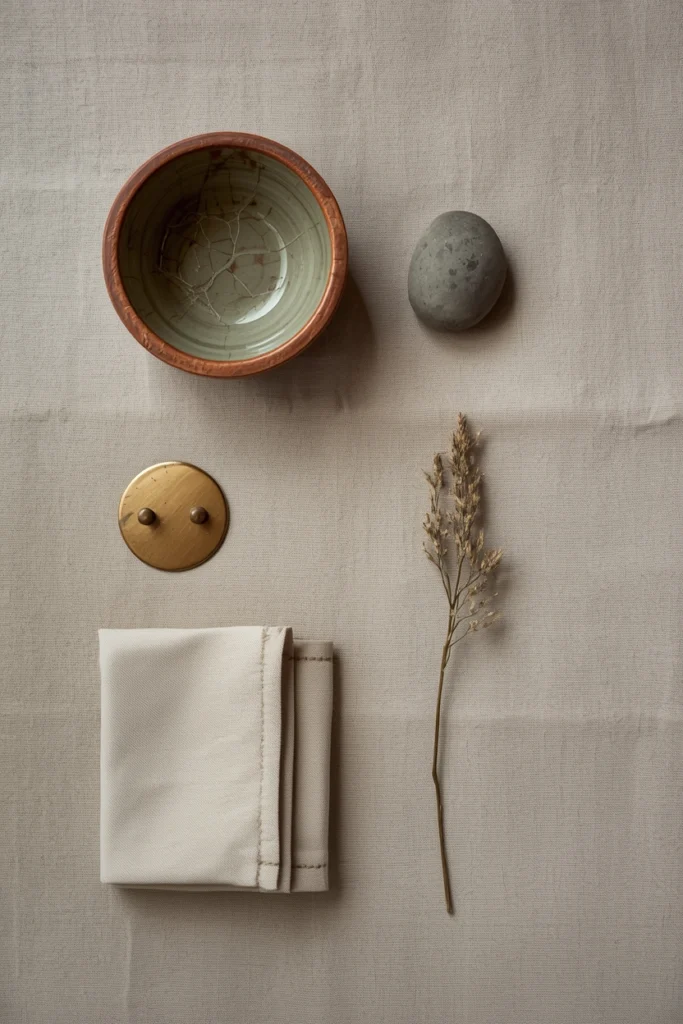
Raw and Undyed Linen
This is the most essential textile in the wabi-sabi toolkit. Genuine linen softens with every wash and develops a natural, beautiful crease that should be embraced, not ironed out. When sourcing, aim for “stonewashed” or “heavy-weight” linen for curtains and bedding, and avoid polyester blends entirely—synthetic fibers don’t “break in” over time; they just degrade and pill.
Handmade and Raku Ceramics
Unlike factory-line pottery, handmade ceramics carry the “fingerprints” of the maker. Raku-fired pieces are especially prized because the cooling process creates unpredictable surface effects like crackle glazes and smoke marks. Use these pieces daily as fruit bowls or pen holders; the slight wear on a frequently handled ceramic is a mark of a home that is truly alive.
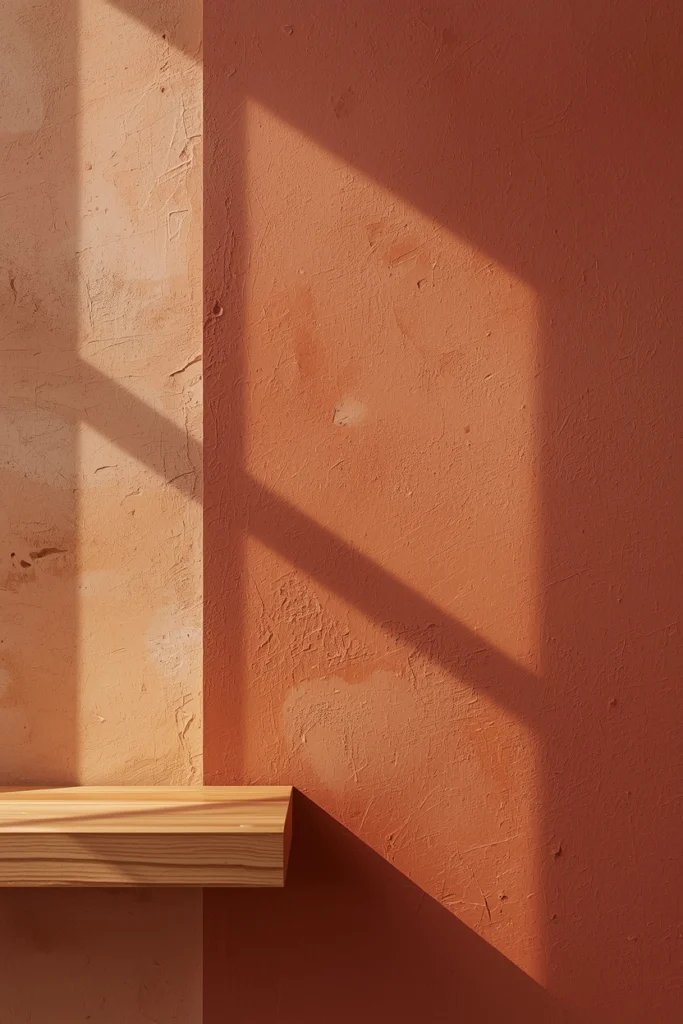
Living Walls: Limewash and Clay Plaster
For walls, move away from flat, plastic-based paints. Limewash is a breathable, mineral-based finish that creates a soft, suede-like texture. When applying limewash, use a large masonry brush and work in a “cloud” or “X” pattern to prevent hard lines and create the natural tonal variation that makes the wall look aged.
Living Metals: Unlacquered Brass and Copper
For hardware, look for “living finishes.” Most modern brass is lacquered to prevent tarnishing, but wabi-sabi requires unlacquered brass. Within months, the handles and faucets you touch most will remain bright, while the edges will darken into a deep, earthy brown—a record of your presence in the home.
The Psychology of Wabi-Sabi: Design for the Mind
The shift from a “perfect” home to a wabi-sabi one isn’t just about how the room looks; it’s about how your brain functions within it. When we chase the high-gloss, showroom aesthetic, we unconsciously create a “museum state” in our minds.
There is a concept in psychology known as Visual Noise. A room filled with bright, synthetic colors and sharp, matching furniture creates a high volume of visual noise that the brain has to constantly process. Environmental psychologists at the University of Minnesota have studied how natural textures and organic shapes reduce cognitive load compared to synthetic, high-contrast environments. Wabi-sabi design, with its muted tones and organic shapes, effectively lowers this volume. By choosing a handmade rug with an uneven weave or a wall with a soft limewash finish, you are giving your nervous system a break.
The beauty of a wabi-sabi home is that it is “forgiving.” When you stop seeing a scratch on the wooden table as a disaster and start seeing it as a record of a dinner shared with friends, your relationship with your environment changes. This shift ensures the mind isn’t busy monitoring for imperfections—it’s free to think, create, and actually rest.
Room by Room: The Practice of Imperfect Living
The Living Room: The Art of the Edit
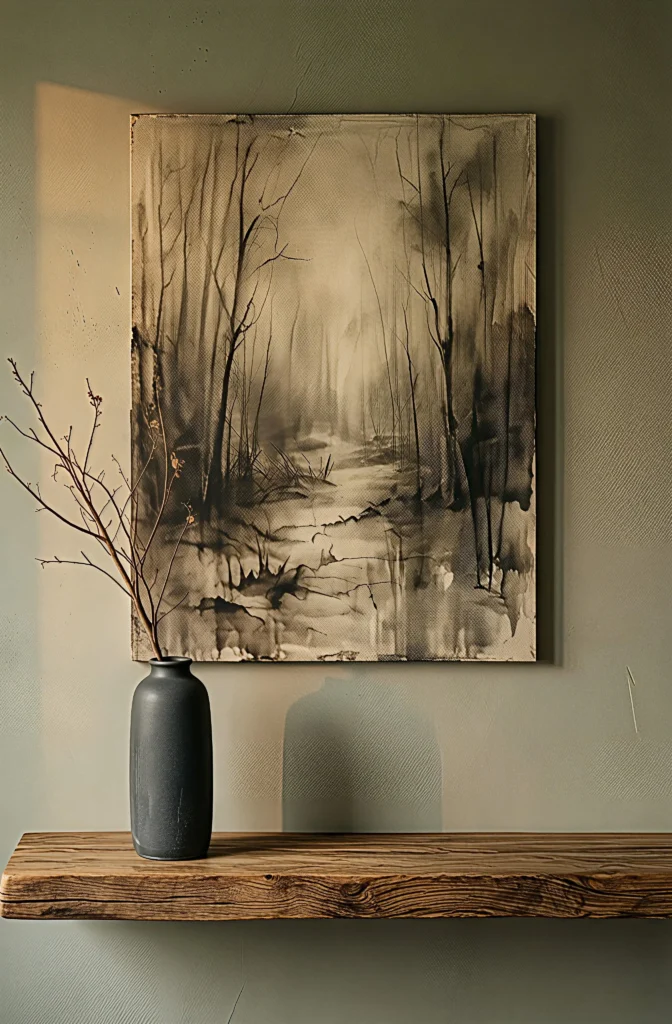
In the living room, focus on texture over quantity. Instead of a perfectly symmetrical gallery wall, try hanging one single, meaningful piece of art with plenty of “negative space” around it. For furniture, look for pieces with organic edges. A coffee table made from a reclaimed wood slab—complete with visible knots and old nail holes—becomes a conversation piece precisely because of its history. To soften the architecture, introduce a single branch from your garden in a tall ceramic vase.
The Bedroom: A Sanctuary for Rest
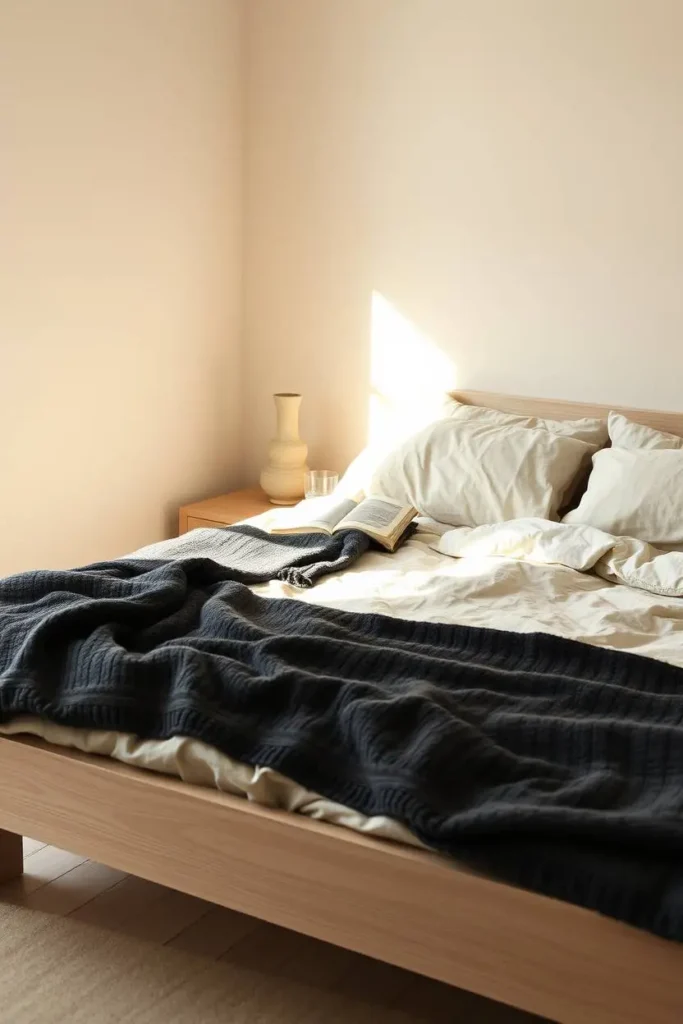
The wabi-sabi bedroom should feel like a long exhale, which means removing anything that doesn’t serve sleep or quiet reflection. Linen bedding is the foundation here because it looks its best when it’s slightly rumpled and lived-in. Keep your bedside surfaces disciplined with a small handmade lamp, a single book, and a glass of water. By intentionally leaving surfaces mostly clear, you give the few items that remain a sense of importance.
The Kitchen: Where Function Meets Soul
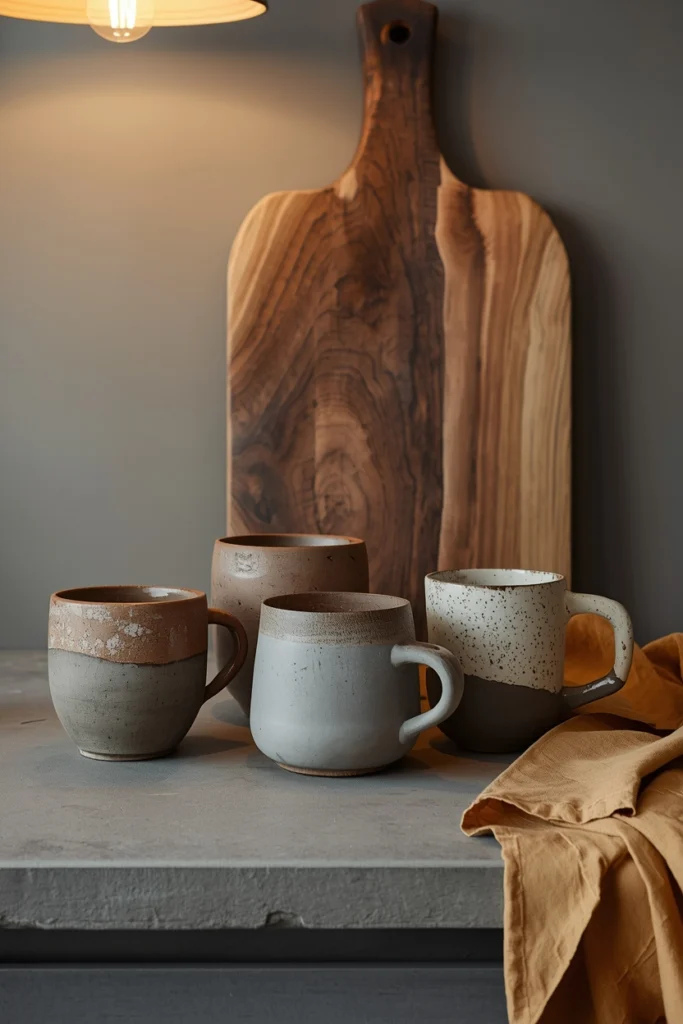
A wabi-sabi kitchen doesn’t look like a sterile showroom; it looks like a place where food is actually celebrated. Move away from matching sets of ceramic mugs and instead collect handmade ones that vary in weight and glaze. Layer in wooden chopping boards that show the marks of use and linen tea towels that have softened from years of washing.
For wabi-sabi principles applied specifically to your workspace, our Japandi home office guide covers the desk materials, lighting, and organic layers in full detail.

What to Source (and What to Let Go)
The practical shift wabi-sabi requires is a move away from mass-produced perfection toward objects that are handmade, aged, and natural.
Moving away from: Matching sets of furniture, high-gloss plastic surfaces, and machine-woven synthetic textiles.
Moving toward:
- Handmade Pottery: Search Etsy for “Raku ceramics” or “stoneware” from independent makers.
- Aged Wood & Vintage Finds: Look for reclaimed wooden trays or stools at local markets that carry a sense of history.
- Natural Linen: Invest in high-quality textiles from brands like Cultiver or The Linen Works in earthy tones like oat and charcoal.
- Found Nature: Use a smooth river stone as a paperweight or a dried architectural branch in a large floor vase.
The One Mistake Most Beginners Make
The biggest trap is trying to “buy” wabi-sabi wholesale. Wabi-sabi only works when it accumulates slowly. The philosophy relies on Patience. One object at a time, chosen because it genuinely resonates with you. The crack in your favorite bowl needs to be your crack—the result of a morning accident or a repair you made yourself. Start with one small change. Clear one shelf. Buy one handmade mug. Live with that simplicity for a month before adding anything else.
The Finished Home: Imperfect, Intentional, Alive
A wabi-sabi home never looks “finished,” and that is exactly the point. It looks like a place where someone actually lives—where things are used, worn, and chosen slowly. It is the opposite of the house staged for a photograph that feels empty the moment the camera is put away.
The crack in the bowl. The linen that creases. The wooden tray with the coffee ring. These are not problems waiting to be solved. They are the evidence of a life well-lived in a home that holds it.
Start with one thing today. One mug. One cleared shelf. One branch in a vase. Let that be the beginning.
Frequently Asked Questions
What is wabi-sabi in interior design? Wabi-sabi is a Japanese philosophy that celebrates imperfection and the natural cycle of growth and decay. In home design, it means choosing natural materials like wood and linen, favoring handmade items over mass-produced ones, and embracing the beauty of objects that age visibly.
What is the difference between wabi-sabi and Japandi? Japandi is a design style that blends Japanese minimalism with Scandinavian functionality. Wabi-sabi is the underlying philosophy that often gives Japandi its soul. While Japandi focuses on clean lines and warmth, wabi-sabi specifically honors the “flaws” and the marks of time on an object.
How do I start decorating with wabi-sabi? The best way to start is by “editing” rather than buying. Pick one surface, like a coffee table or bedside stand, and remove everything that feels synthetic or cluttered. Add back just one or two natural, meaningful items—like a single branch in a ceramic vase or a well-worn wooden tray.
Shop This Look
- The Linen Throw: Stonewashed linen blanket in oat (approx. $59).
- Handmade Ceramic Mug: Raku-fired stoneware (approx. $30).
- The Botanical Accent: Dried pampas or wheat stem bundle (approx. $9).
- The Wooden Tray: Solid olive wood or reclaimed pine serving tray (approx. $35).
- The Natural Cushion: Undyed raw linen cover (approx. $15).
Disclaimer: This post contains affiliate links. If you purchase through these links, Homeoration earns a small commission at no extra cost to you.