
This post contains a couple of affiliate links for paint samples. If you buy through them, Homeoration earns a small commission at no extra cost to you.
Choosing a white is the paint decision people agonize over most, and these three are the ones that end up on almost every shortlist. On a paint chip they look nearly identical. On a wall they behave like three different colors, and picking the wrong one for your light and your finishes is one of the most common and most expensive white mistakes people make.
The good news is that the choice is decided by two facts, not by taste or luck. Once you can read a white’s undertone and its light reflectance, White Dove, Alabaster, and Chantilly Lace sort themselves cleanly into three distinct jobs. This guide gives you the verified codes, the real numbers, and a decision framework, so you can match the right white to your room instead of gambling on a chip. Warm whites are the foundation of the whole warm-minimalist look, and how they anchor a scheme is covered in the Japandi color palette guide.
The Two Numbers That Decide Every White
No white is actually pure. Every one carries a faint undertone, a hint of another color that only shows itself on a wall or beside another white, and that undertone decides whether a white reads warm, cool, or neutral. Hold three “whites” next to each other and the undertones jump out: one looks creamy, one looks gray, one looks almost blue-white.
The second number is LRV, Light Reflectance Value, on a 0–100 scale. A white at LRV 92 bounces back an enormous amount of light and reads as bright, crisp, and unmistakably white. A white at LRV 82 reflects noticeably less, which is what lets it read as soft and warm rather than stark. An eight-point LRV gap between two whites is the difference between “bright and clean” and “soft and cozy,” and it is visible the moment the paint dries.
So the entire decision comes down to this: undertone sets the warmth, LRV sets the brightness. Read those two facts for each color and the right pick becomes obvious for your specific room.
The Three Whites at a Glance
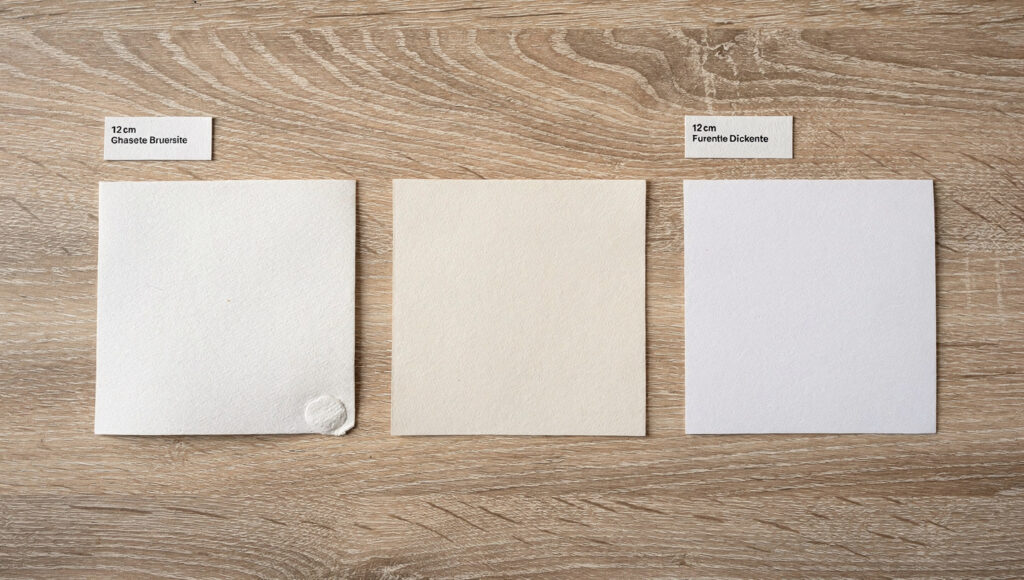
Here are all three, verified against Benjamin Moore and Sherwin-Williams. LRVs are approximate, so always confirm on the physical swatch.
| Chantilly Lace | White Dove | Alabaster | |
|---|---|---|---|
| Code | Benjamin Moore OC-65 | Benjamin Moore OC-17 | Sherwin-Williams SW 7008 |
| LRV (approx.) | ~92 | ~85 | ~82 |
| Undertone | Faint cool-neutral | Soft gray + cream | Creamy beige |
| Character | Crisp true white | Soft warm white | Warm cream |
| Warmth | Coolest | Middle | Warmest |
| Best for | Modern, crisp trim, bright rooms, high contrast | The versatile all-rounder: walls, trim, cabinets | Cozy, warm-toned rooms and cabinetry |
| Watch out | Can read cold in north light | Can look dingy beside true-white fixtures | Can go too yellow in strong warm light |
The one-line version: Chantilly Lace is the only genuine white of the three. White Dove and Alabaster are soft off-whites that read as warm, with Alabaster the creamiest and White Dove the most balanced.
Chantilly Lace OC-65: The True White
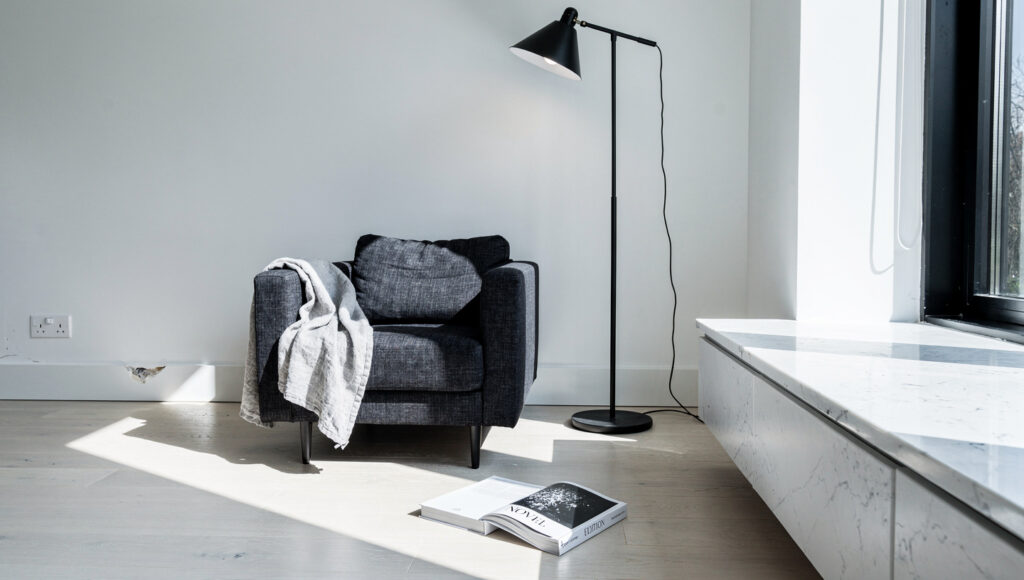
Chantilly Lace is Benjamin Moore’s crispest, most architectural white and one of the most-specified whites in contemporary homes. At an LRV around 92 it sits at the very bright end of the spectrum, reflecting a huge amount of light and reading as clean, unambiguous white in nearly every condition. Its undertone is near-neutral with just a faint cool quality, sitting a hair on the cool side of neutral, and that is exactly what gives it its pure, paper-white character.
Use it when you want crisp and modern: bright rooms, contemporary schemes, high-contrast trim, and any space where you want white to actually read as white rather than as a soft off-white. It’s the white that makes black hardware and dark accents pop.
The caution is light. Because it’s cool-leaning and highly reflective, Chantilly Lace can tip cold, even slightly blue, in a north-facing room that already gets cool light. In a warm, wood-heavy room it stays clean and beautiful; in a cool, low-light room it can feel clinical. My honest read: it’s the least forgiving of the three, and the most rewarding when the room suits it.
White Dove OC-17: The Soft All-Rounder
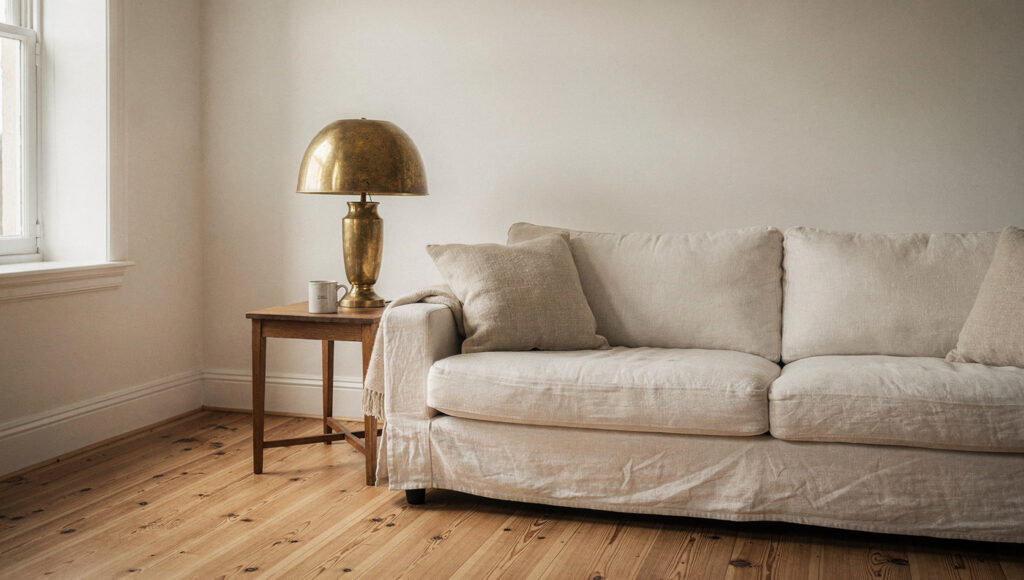
If one white is hard to get wrong, it’s White Dove. It’s a soft, warm white with a creamy yellow undertone that’s well-grounded by a neutral gray base, and that gray is what keeps it calm rather than yellow. At an LRV around 85 it’s bright enough to feel fresh but soft enough to feel warm, which is why it leads so many designers’ lists for walls, trim, cabinets, and exteriors alike.
Its versatility is the whole point. White Dove works in warm and neutral rooms, plays well across surfaces, and rarely fights a palette. It’s the safe, livable choice when you want a white that’s clearly warm but not obviously creamy.
The one situation to avoid: a room that already contains true-white elements, like white cabinetry, white quartz, or white plumbing fixtures. Beside a genuine white, White Dove’s warmth can read as slightly dingy or dirty. Use it as the dominant white in a room, not as a companion to a whiter white. This is the most common White Dove mistake, and it’s easy to sidestep once you know it.
Alabaster SW 7008: The Warm Cream
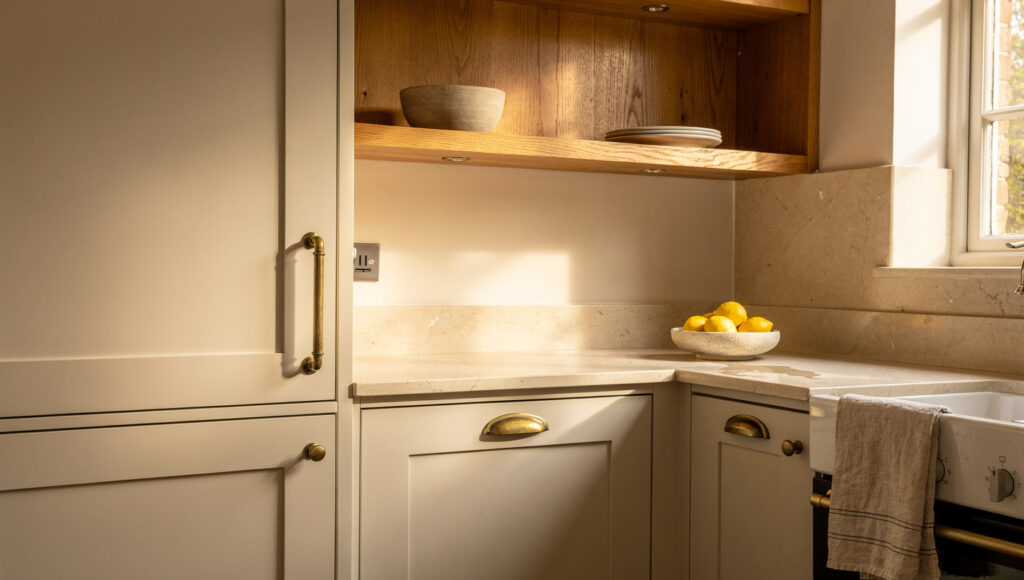
Alabaster is Sherwin-Williams’ flagship warm white and the coziest of the three. At an LRV around 82 it reflects the least light here, and it carries a genuine creamy, faintly beige undertone that gives it real depth and body. It reads as warm and settled, the white that makes a room feel soft and inviting rather than bright and crisp.
It shines in warm-toned rooms. Against honey or warm oak, warm flooring, brass, and natural materials, Alabaster looks harmonious and enveloping, and it’s a standout on cabinetry where that softness reads as quality. If your goal is cozy rather than crisp, this is the pick.
The caution mirrors Chantilly Lace’s in reverse. In a very warm, south-facing room in strong afternoon light, Alabaster’s creaminess can push toward yellow. And like White Dove, it will look dingy if you set it beside a true white. Keep it as the room’s warm anchor and pair it with warm materials, and it behaves beautifully.
How to Choose Between Them
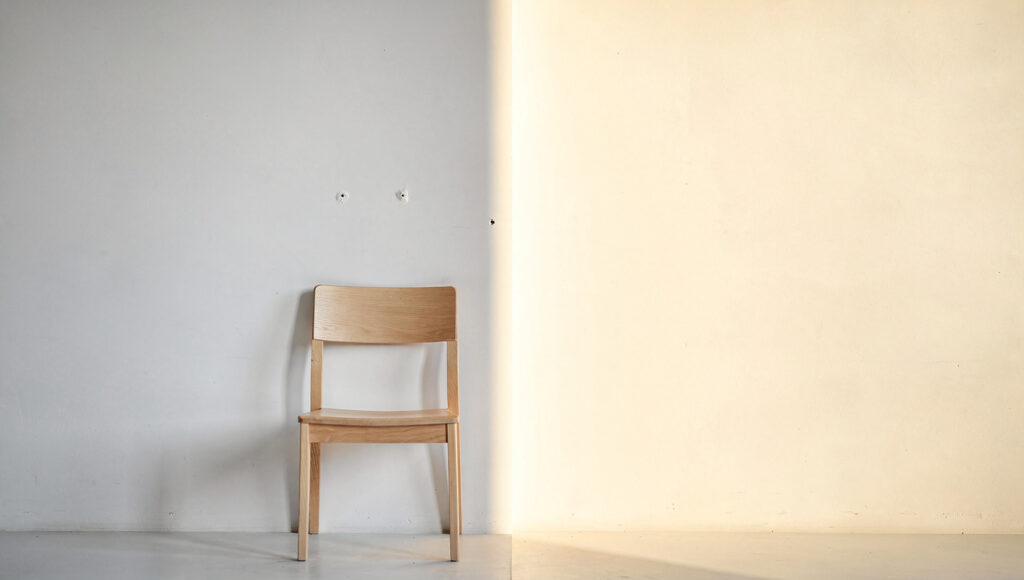
Run your room through three questions and the answer usually falls out.
First, which way does your light face? Cool, north-facing rooms drain warmth, so a warm white like White Dove or Alabaster compensates and keeps the room from feeling cold; Chantilly Lace can tip clinical there. Warm, south-facing rooms flatter Chantilly Lace and can push Alabaster toward yellow. East and west rooms shift through the day, so judge the color at the hours you use the room.
Second, how warm are your fixed finishes? Warm wood, warm floors, brass, and cream-toned stone want a warm white beside them, which points to White Dove or Alabaster. Cool grays, black accents, marble, and modern finishes suit Chantilly Lace’s crispness.
Third, do you already have a true white in the room? If there’s existing white cabinetry, quartz, or fixtures you’re keeping, lean toward Chantilly Lace so your wall white doesn’t read dingy against them. If you’re painting everything, a warm white is more forgiving.
For the specific job: Chantilly Lace is the strongest crisp trim and modern-wall white; White Dove is the most flexible do-everything white; Alabaster is the warmest cabinet-and-cozy-room white. And they pair beautifully with a muted accent, which is where a color like the ones in the sage green paint guide comes in, since warm whites are the natural backdrop for a soft green.
The Cross-Brand Trap, and How to Test
One practical catch trips people up: White Dove and Chantilly Lace are Benjamin Moore, but Alabaster is Sherwin-Williams. You cannot buy all three at one store or compare them on a single fan deck, which is exactly why so many people never actually see them side by side before committing.
The fix is to test properly. Whites shift more between the chip and the wall than almost any color, and more again between rooms and hours. Paint large samples, on more than one wall, and look at them morning, midday, and evening. Peel-and-stick swatches make cross-brand testing painless, since you can hold a Benjamin Moore and a Sherwin-Williams white on the same wall at the same time: grab a peel-and-stick paint sample set and move the real colors around your room before buying a single can. For a white, this one step prevents the most expensive mistake in the whole decision.
These Whites in a Warm-Minimalist Palette
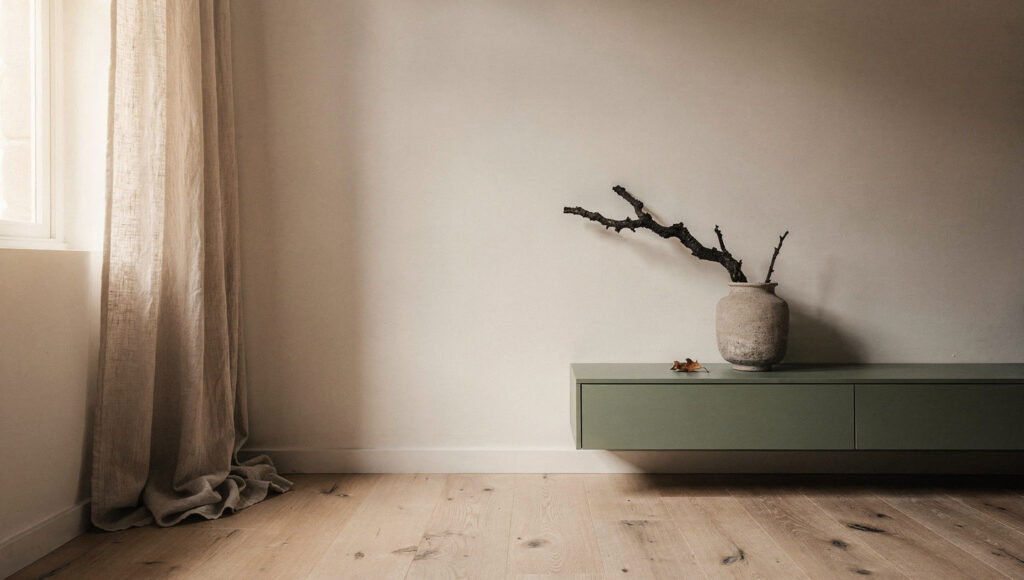
Within a Japandi or warm-minimalist scheme, the white is the base layer that everything else sits on, and the style leans warm by design. That makes White Dove and Alabaster the natural fits: both give you the soft, warm ground that lets wood, linen, and a single muted accent read as calm rather than stark. White Dove is the safer, more balanced base; Alabaster is the choice when you want the room to feel a touch cozier and warmer still.
Chantilly Lace has a place here too, but a narrower one. Its crispness suits a cooler, more modern take on minimalism, or a room where you want maximum brightness and high contrast with black hardware. In a genuinely warm, wood-heavy Japandi room, though, its coolness can feel slightly out of step with the palette. The full framework for building a warm-minimalist scheme around a base white sits in the Japandi paint colors hub. My rule: for warm-minimalist, start with White Dove; reach for Alabaster if you want warmer; save Chantilly Lace for crisp, modern rooms.
Frequently Asked Questions
Is White Dove, Alabaster, or Chantilly Lace the warmest white?
Alabaster (SW 7008) is the warmest of the three. It carries a genuine creamy, faintly beige undertone and has the lowest light reflectance of the group at around 82, which is what lets it read cozy rather than crisp. White Dove (OC-17) sits in the middle: clearly warm, but balanced by a neutral gray base that keeps it from going creamy. Chantilly Lace (OC-65) is the coolest, a near-neutral true white with only a faint cool quality. So the order, warmest to coolest, is Alabaster, then White Dove, then Chantilly Lace. If your room is dim or north-facing, the two warmer whites will compensate; if it is bright and modern, Chantilly Lace stays clean.
What is the difference between White Dove and Chantilly Lace?
They sit at opposite ends of the warm-to-crisp spectrum, even though both are Benjamin Moore. Chantilly Lace is a true white at roughly LRV 92, near-neutral with a faint cool edge, and it reads bright, crisp, and architectural. White Dove is a soft warm white at roughly LRV 85, with a gray-plus-cream undertone that reads gentle and forgiving. Use Chantilly Lace when you want white to actually look white, especially with black hardware or in a modern room. Use White Dove when you want warmth and flexibility across walls, trim, and cabinets. The common mistake is pairing them: White Dove can look slightly dingy next to Chantilly Lace’s brightness.
Is White Dove or Alabaster better for walls and trim?
Both work, and the choice comes down to how warm you want the room. White Dove is the more flexible of the two and the better pick if you want one white on both walls and trim, because its soft warmth looks clean across every surface without going creamy. Alabaster is warmer and cozier, which suits wood-toned rooms and cabinetry beautifully, but in very warm south-facing light it can push slightly toward yellow. A practical note: Alabaster is Sherwin-Williams and White Dove is Benjamin Moore, so you cannot compare them on one fan deck or buy both at the same store. Sample each on your own wall before deciding.
Which of these whites works best with wood floors and cabinets?
A warm white, so White Dove or Alabaster rather than Chantilly Lace. Warm wood wants warmth beside it, and both of these harmonize with oak, walnut, and honey tones instead of fighting them. Alabaster leans cozier and pairs especially well with warmer, honey-toned wood; White Dove leans a touch cleaner and suits a wider range of wood tones. Chantilly Lace can look slightly cold against warm wood unless the rest of the room is deliberately crisp and modern with cooler finishes. If your floors and cabinets read warm and you want the room to feel settled, Alabaster is the safest of the three.
Do I need to test these whites, or can I just pick one?
Test them, always. Whites shift more dramatically between the paper chip and the wall than almost any other color, and more again between rooms and between morning and evening light. A white that looks perfect in the store can read yellow, gray, or cold once it is on your wall. Because two of these are Benjamin Moore and one is Sherwin-Williams, the only way to see all three together is peel-and-stick samples, which let you hold both brands on the same wall at the same time. Paint large samples, view them at the hours you actually use the room, and decide from the wall rather than the chip.
The Right White for Your Room
These three whites aren’t better or worse than each other, they’re built for different rooms. Chantilly Lace is the crisp true white for bright, modern spaces. White Dove is the soft, forgiving all-rounder that works almost anywhere. Alabaster is the warm cream for cozy, wood-toned rooms. Read your light, read your finishes, check whether a true white already lives in the room, then sample your top pick large before you commit. Do that and the white you choose will look right in every light, not just under the store’s fluorescents.

