

A guest room is more than just an extra bedroom. It’s a reflection of how thoughtfully a home is designed and how comfortable you want your guests to feel. The best guest rooms are calm, welcoming, and easy to live in — spaces that don’t overwhelm, yet never feel cold or unfinished.

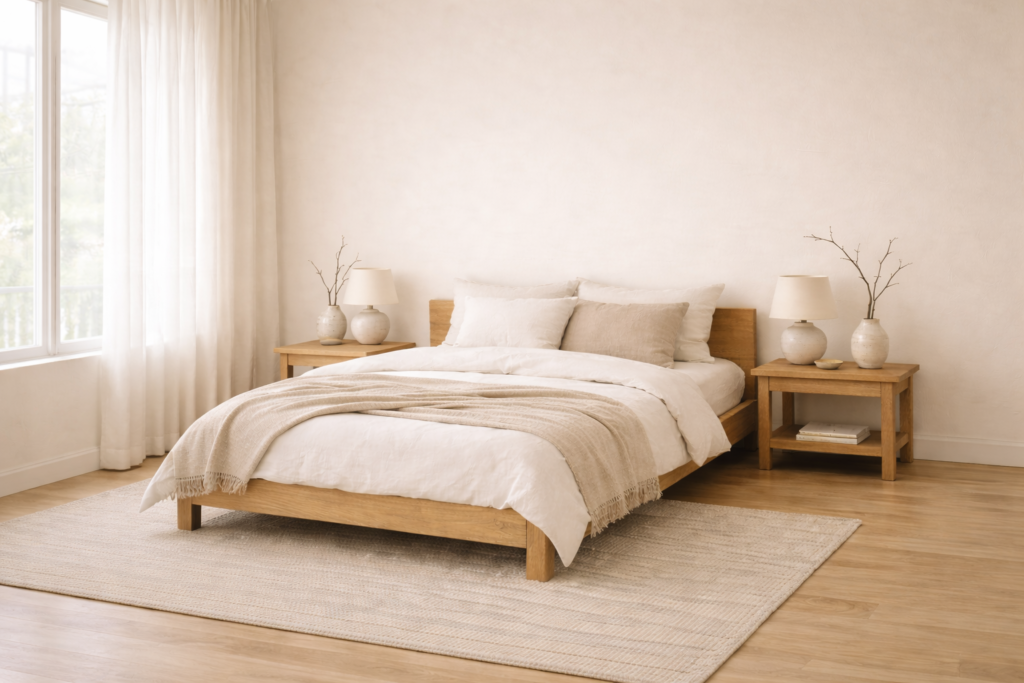
This is where Japandi guest room ideas truly shine.
Japandi design blends the quiet simplicity of Japanese interiors with the warmth and functionality of Scandinavian style. The result is a minimalist approach that still feels lived-in, soft, and deeply comforting — exactly what a guest room should be. In this guide, we’ll explore Japandi guest room ideas in detail, focusing on layout, colour, furniture, textures, lighting, and practical decisions that help create a peaceful stay for your guests.
Why Japandi Style Works So Well for Guest Rooms

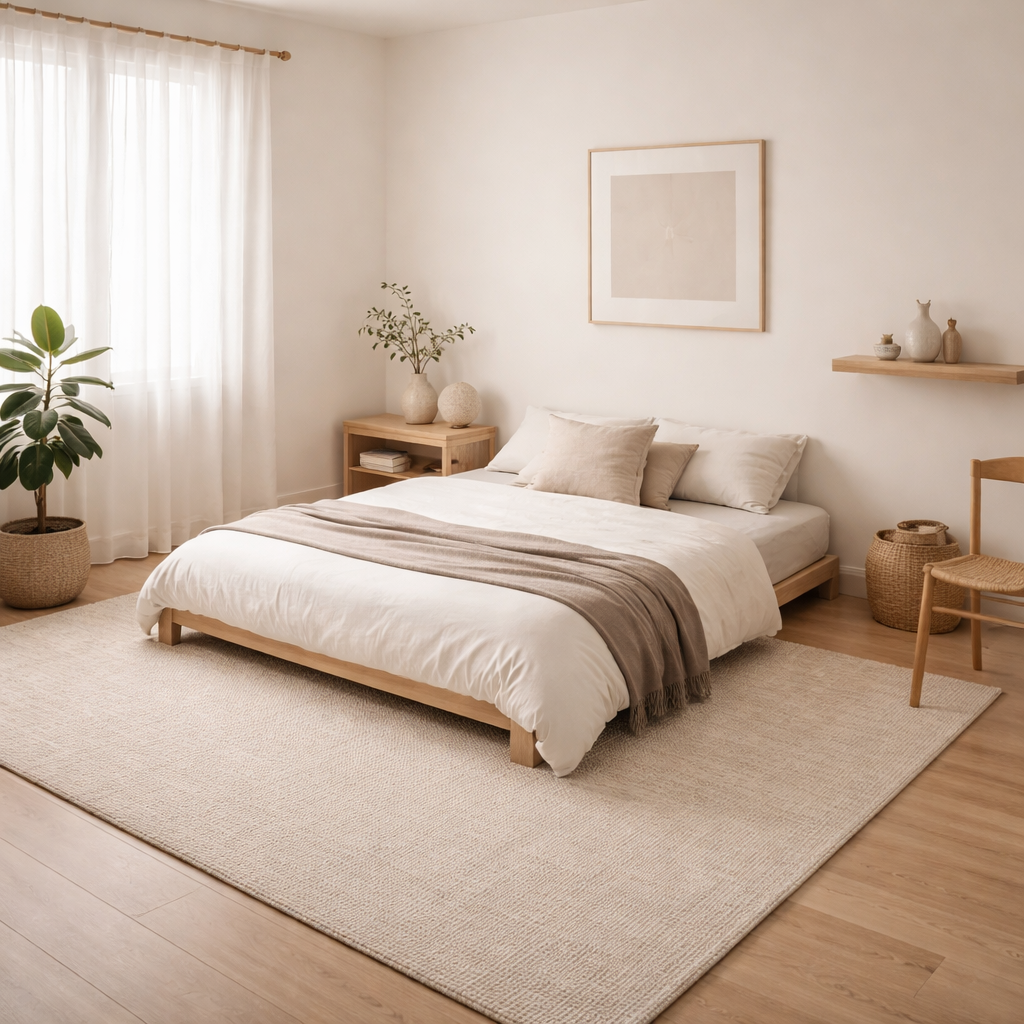
Guest rooms have a unique purpose. They should feel neutral enough for anyone to enjoy, but warm enough to feel welcoming. Japandi design naturally supports this balance.
Instead of filling the space with decorative items, Japandi interiors focus on intention. Every piece has a purpose, every colour has a reason, and every empty space is just as important as what fills it. This creates an environment where guests can relax immediately, without visual noise or clutter.
Japandi guest rooms also age well. The materials, colours, and layouts are timeless, which means the room won’t feel outdated after a few seasons.
Start with a Soft, Grounded Colour Palette
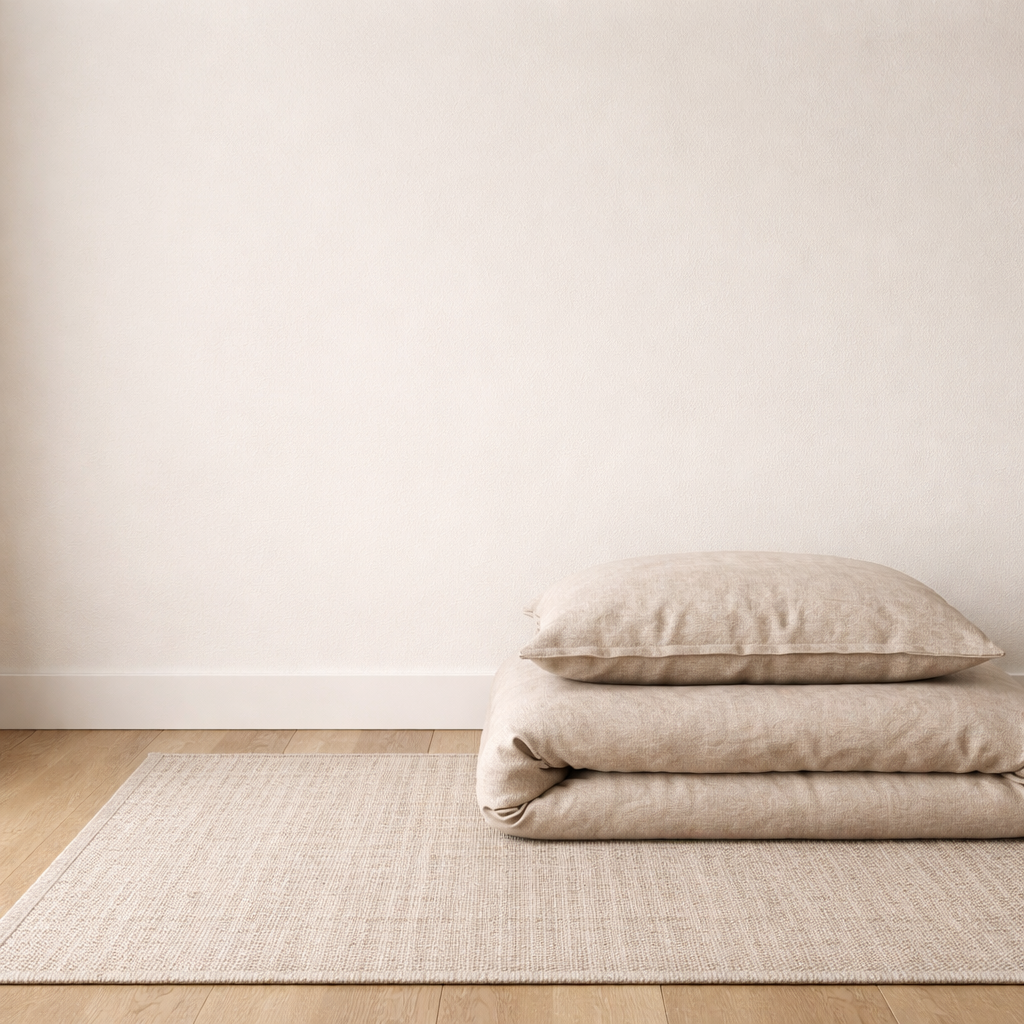
Colour is the foundation of Japandi design. In guest rooms, the goal is to create calm — not contrast.
The most effective Japandi guest room ideas rely on:
- Warm whites
- Soft beige
- Muted greys
- Earthy taupes
- Gentle stone tones
These colours reflect light beautifully and create an airy atmosphere. Dark colours can be used sparingly, but only as grounding accents — never as the dominant tone. Avoid bright whites or high-contrast palettes, as they can feel harsh and unsettling in a space meant for rest.
Choose Furniture That Feels Light and Intentional
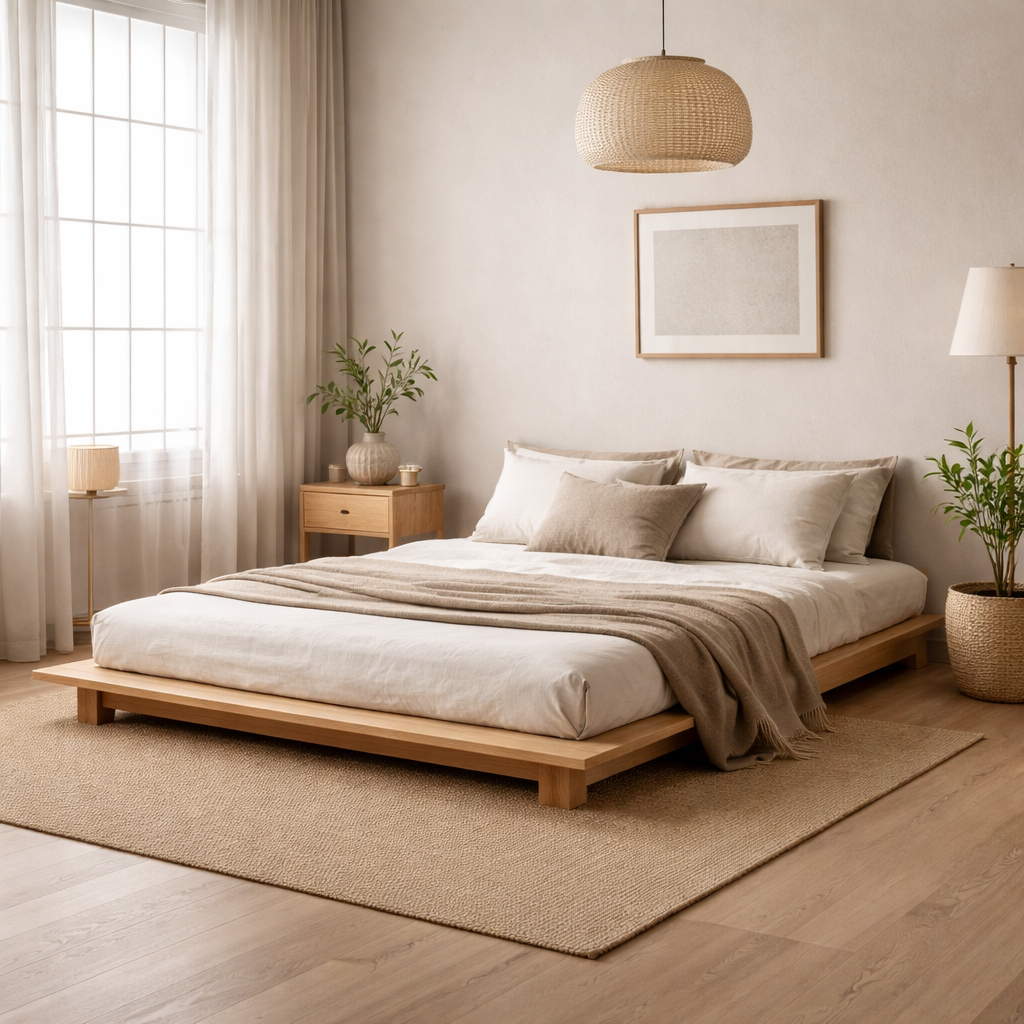
Japandi furniture is simple, low-profile, and functional. In a guest room, less is always more.
A well-designed Japandi guest room typically includes:
- A clean-lined bed frame (preferably low or mid-height)
- One or two minimal bedside tables
- A simple wardrobe or storage cabinet
- A small bench or chair, if space allows
Avoid bulky headboards, ornate carvings, or overly decorative pieces. Furniture should feel grounded but not heavy. Natural wood finishes work best — oak, ash, or walnut with a matte or lightly textured finish.
Focus on Sleep Comfort, Not Just Looks
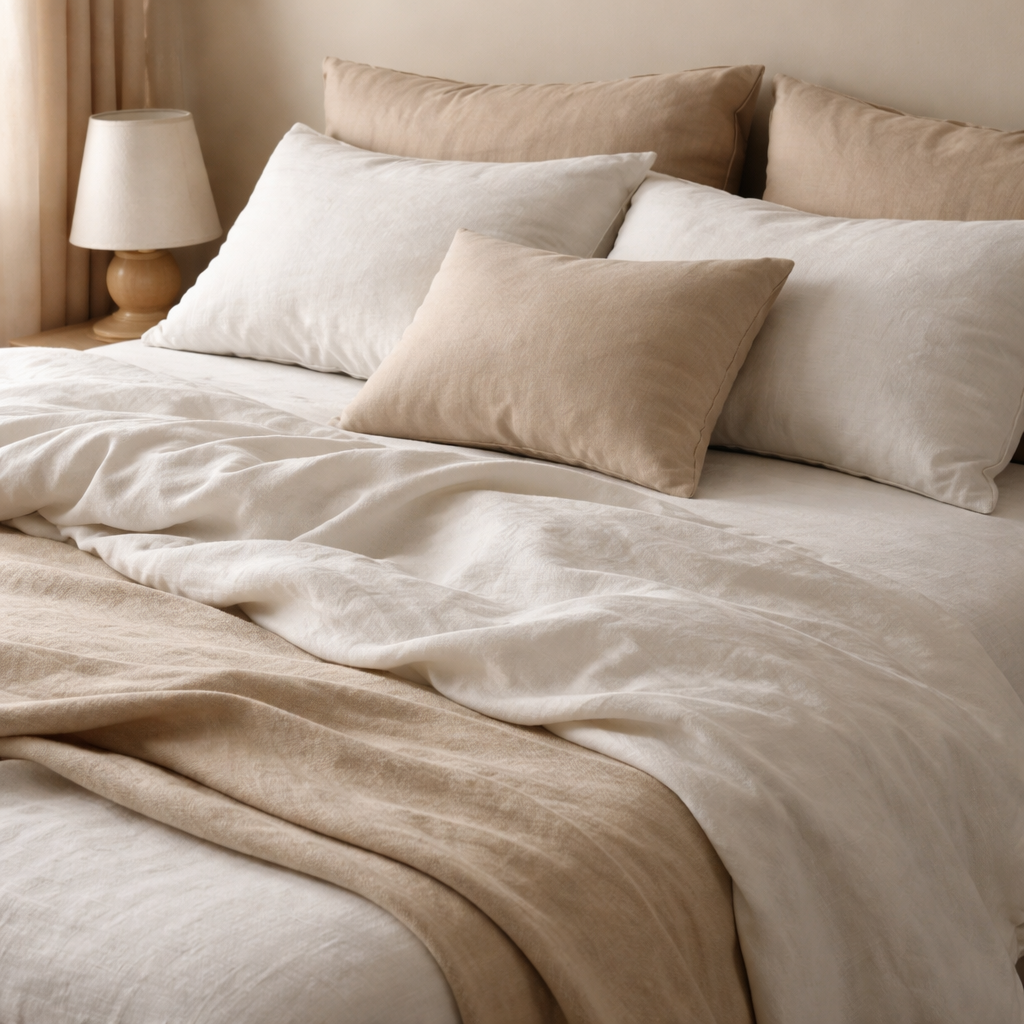
A common mistake in guest rooms is prioritising appearance over comfort. Japandi design encourages both.
Layer bedding thoughtfully:
- Start with breathable cotton or linen sheets
- Add a neutral duvet or quilt
- Finish with one or two soft cushions or a lightweight throw
The goal is to create a hotel-like feeling without excess. Avoid overly patterned bedding or bold prints, as they disrupt the calm visual flow.
Comfort is subtle in Japandi interiors — it’s felt more than it’s seen.
Use Lighting to Create a Calm Atmosphere
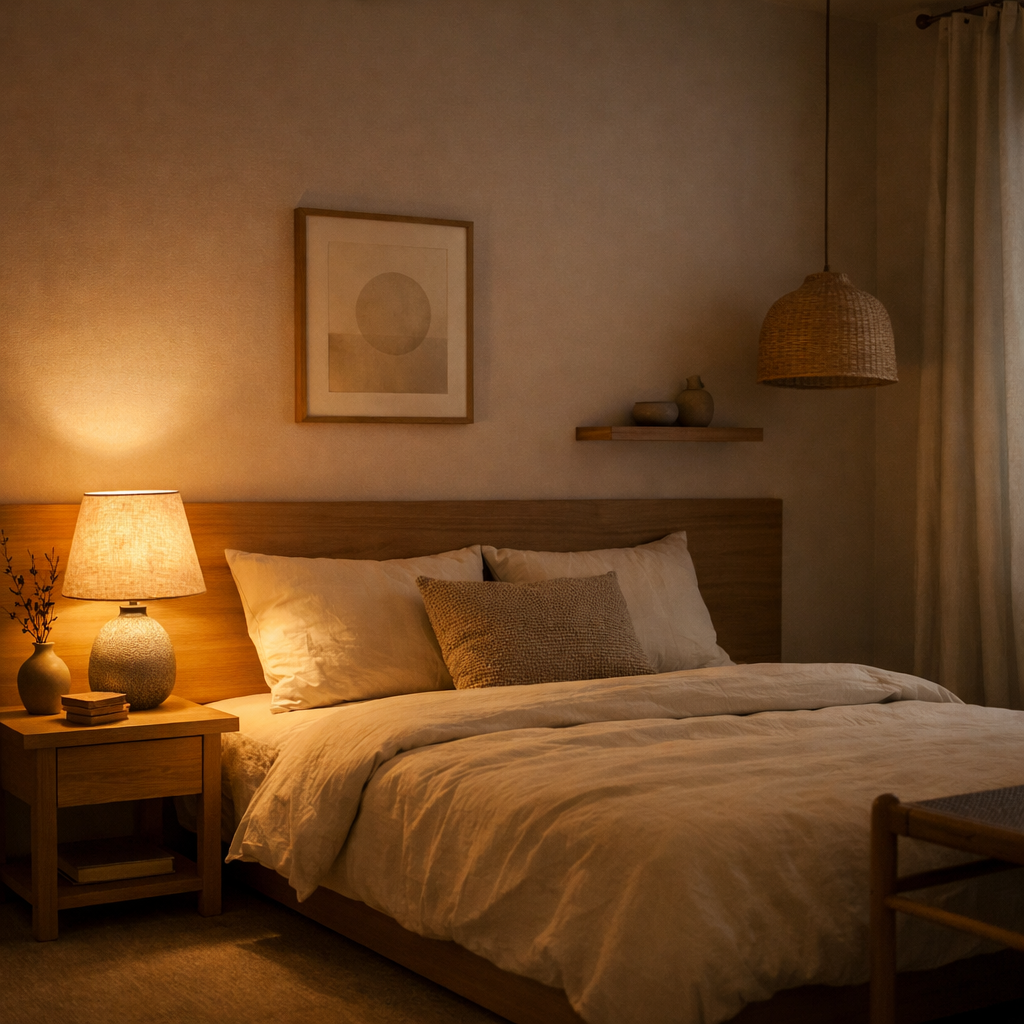
Lighting is one of the most important elements in Japandi guest room design, yet it’s often overlooked.
Avoid relying on harsh overhead lighting alone. Instead, layer light sources:
- Soft bedside lamps
- Wall-mounted lights
- A warm floor lamp in larger rooms
Choose warm bulbs to create a relaxing glow in the evenings. During the day, allow natural light to flow freely using sheer or linen curtains. Heavy drapes can make the room feel closed off and heavy.
Add Texture Without Adding Clutter
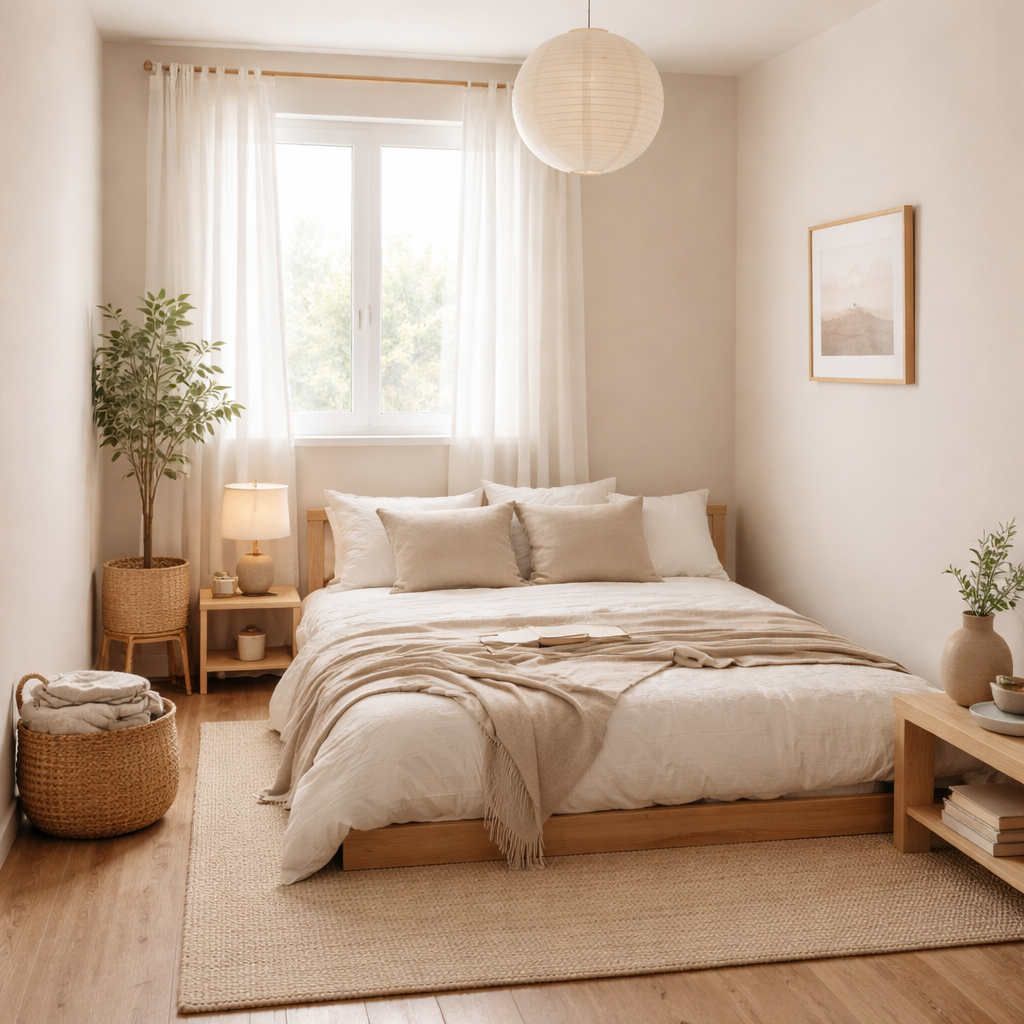
Minimalist doesn’t mean flat or cold. Japandi interiors feel warm because of texture.
In a guest room, texture can come from:
- Linen or cotton bedding
- Lightly woven rugs
- Soft cushions
- Natural wood grain
- Ceramic or stone accessories
Stick to a restrained palette and vary texture instead of colour. This keeps the room visually interesting while maintaining a calm, cohesive look.
Keep Decor Subtle and Meaningful
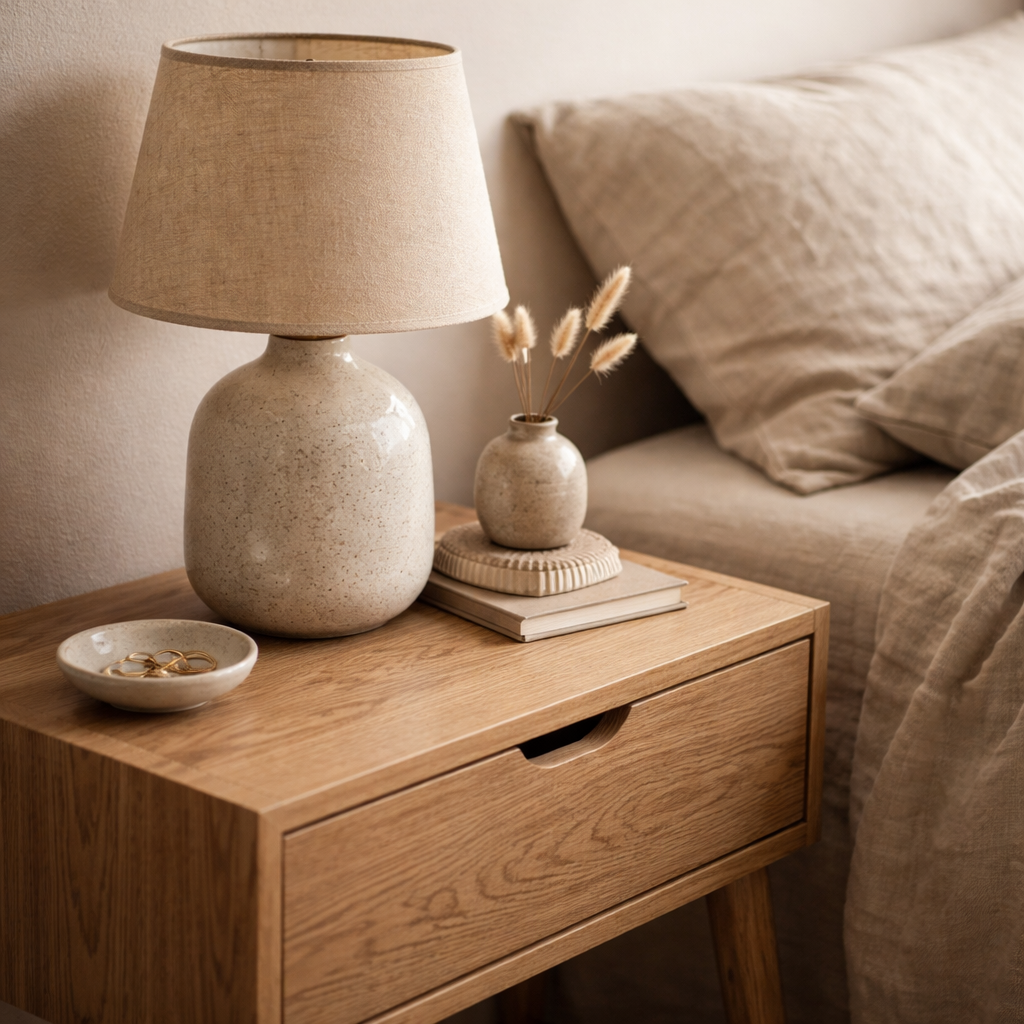
Decor in Japandi guest rooms should never feel excessive. One or two carefully chosen elements are enough.
Good options include:
- A single piece of understated wall art
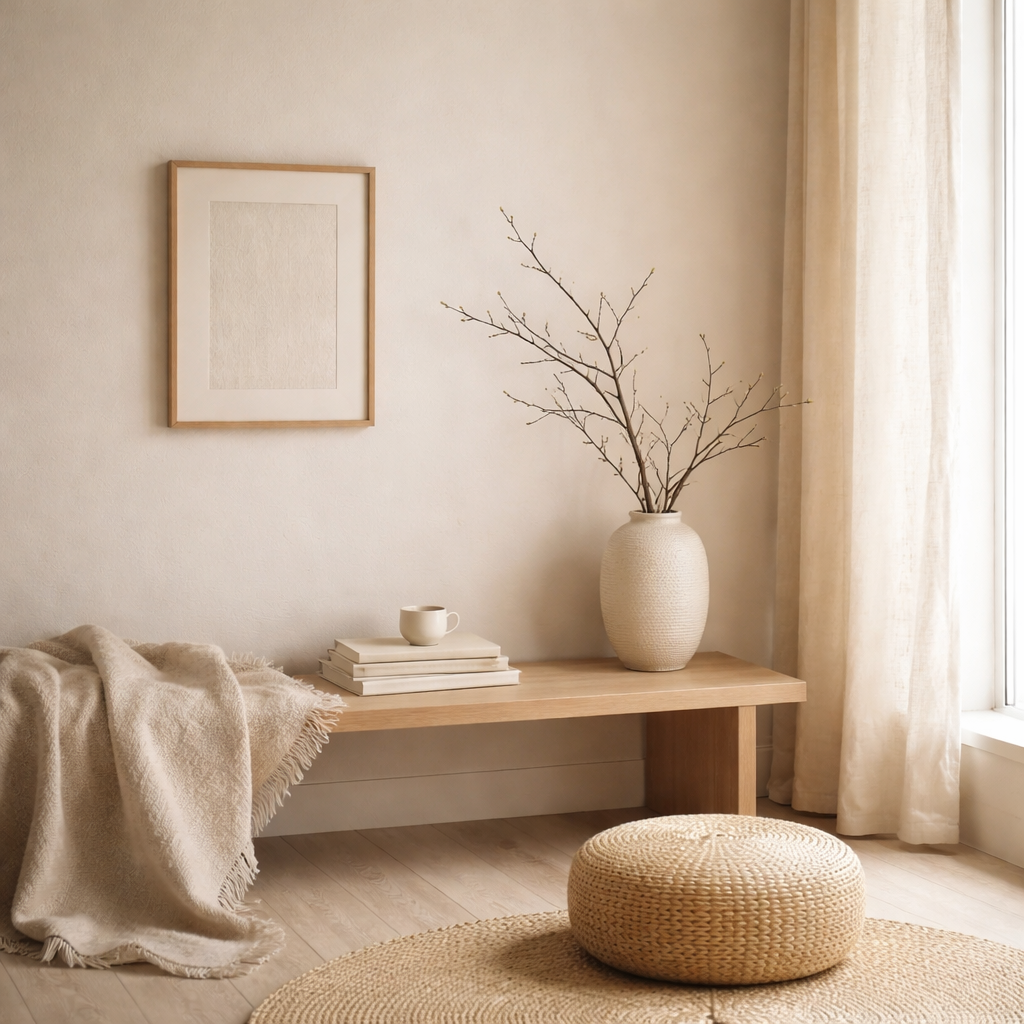
- A ceramic vase with a branch or dried greenery
- A simple tray on the bedside table
Avoid gallery walls, decorative clutter, or novelty items. Negative space is a key part of Japandi design — it allows the room to breathe and feel restful.
Storage That Stays Out of Sight
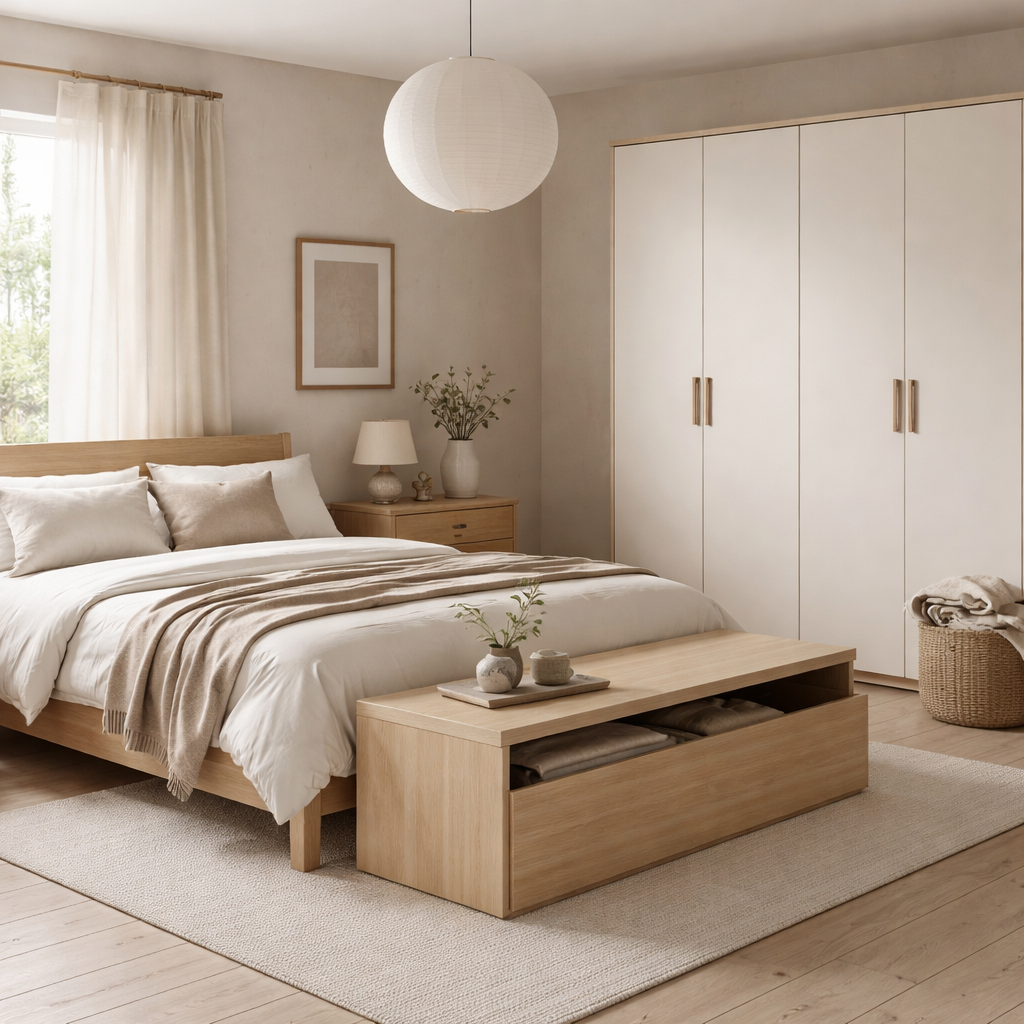
Guests appreciate a tidy, organised space. Japandi guest room ideas often incorporate storage that blends seamlessly into the room.
Closed wardrobes, under-bed storage, or simple cabinets work best. If open shelving is used, keep it minimal and lightly styled.
The aim is to make storage available without making it visually dominant.
Japandi Guest Room Ideas for Small Spaces
Japandi design is especially effective in smaller guest rooms.
For compact spaces:
- Use light colours to open up the room
- Choose multifunctional furniture
- Keep the layout simple and uncluttered
- Avoid oversized furniture
A small Japandi guest room should feel intentional, not cramped. Clear pathways and visual balance matter more than filling the space.
Common Japandi Guest Room Mistakes to Avoid ❌
Even with the right intention, a few mistakes can break the Japandi aesthetic:
- Over-decorating in the name of “coziness”
- Using cold greys instead of warm neutrals
- Choosing furniture that’s too bulky
- Ignoring lighting layers
- Mixing too many wood tones
Japandi is about restraint. When in doubt, remove rather than add.
Creating a Thoughtful Guest Experience
The best Japandi guest rooms feel effortless. Fresh bedding, soft lighting, a clean layout, and a calm palette go a long way. Small details like a reading lamp, a bedside tray, or neatly folded towels help guests feel considered and comfortable.
This understated hospitality is what makes Japandi design so effective for guest spaces.
Final Thoughts
Japandi guest room ideas focus on balance — between simplicity and warmth, function and beauty, comfort and minimalism. By choosing natural materials, soft colours, thoughtful layouts, and intentional details, you can create a guest room that feels calm, welcoming, and timeless.
At Homeoration, we believe that the most memorable interiors are the ones that feel natural and unforced. Japandi design offers exactly that — a peaceful stay rooted in simplicity.


