

Bedrooms are often designed to look peaceful, yet rarely feel that way. Too many layers, decorative accents, and visual noise can quietly disrupt rest. Even well-styled rooms can feel restless when every surface competes for attention.
This is where Japandi bedroom ideas stand apart. Rooted in Japanese simplicity and Scandinavian warmth, Japandi design focuses on creating bedrooms that feel calm, grounded, and quietly restorative. These spaces are not styled for display—they’re shaped around how rest actually feels.
What Makes a Japandi Bedroom Feel Calm?

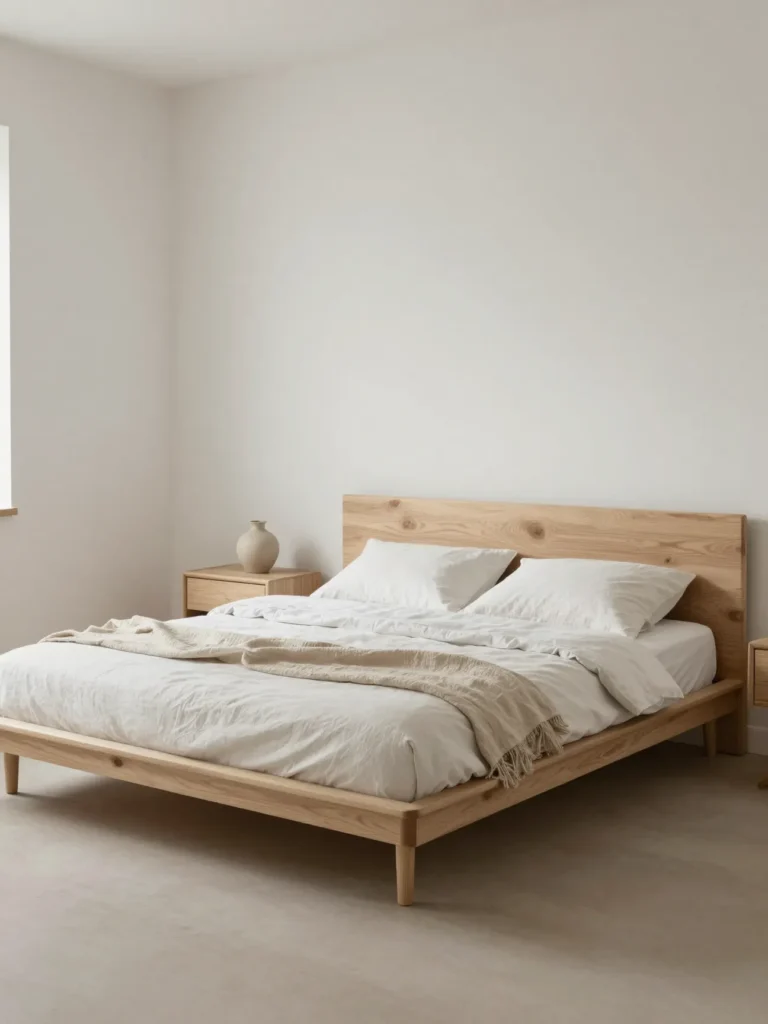
Japandi bedroom ideas are rooted in balance and restraint, drawing from the broader Japandi design philosophy that blends Japanese minimalism with Scandinavian warmth.
Instead of layering decor, the focus shifts to proportion, spacing, and material choice. Furniture is kept low and minimal, colors remain soft, and empty space is treated as a design element rather than something to fill.
Japandi bedroom ideas prioritize comfort without excess, allowing the room to breathe.
Keep the Color Palette Soft and Muted

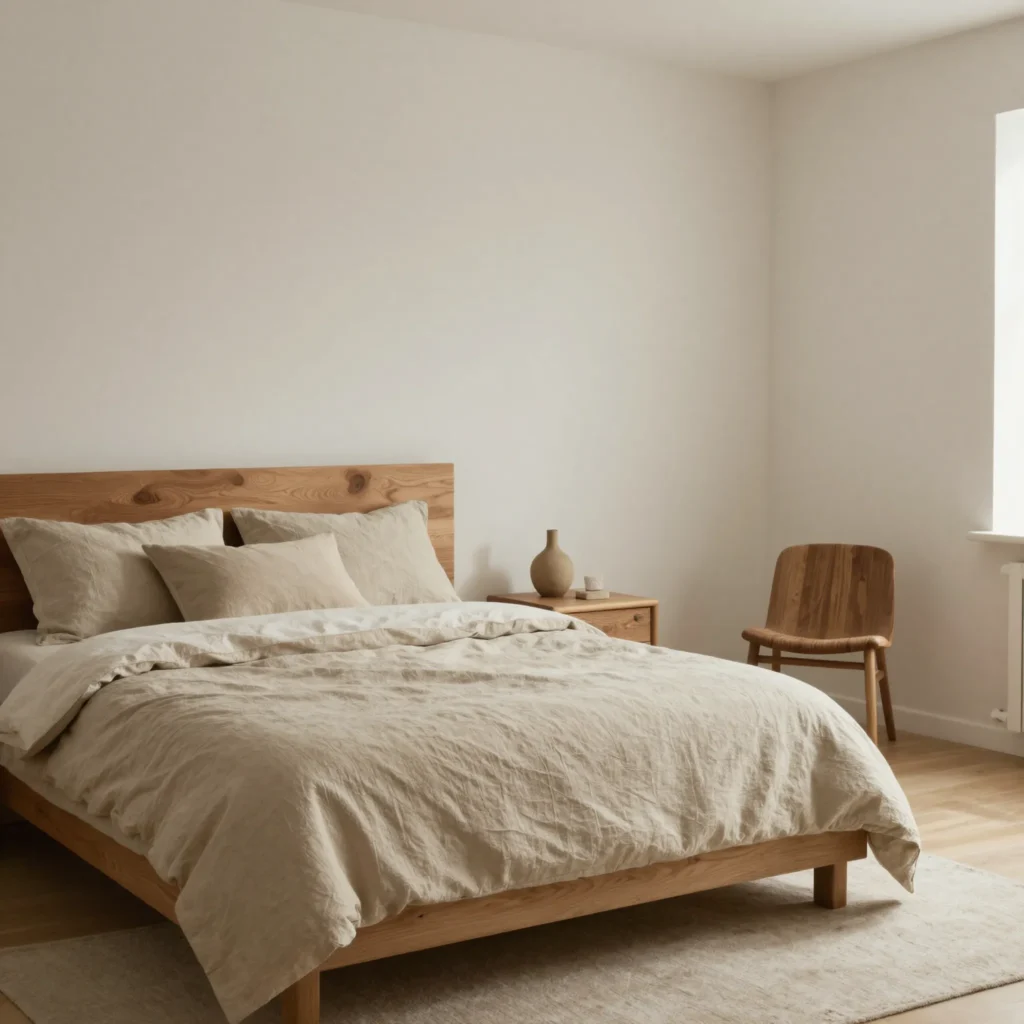
Color in a Japandi bedroom should never dominate.
The most effective Japandi bedroom ideas rely on:
- Warm whites and off-whites
- Soft beige, stone, and sand tones
- Muted greys with warm undertones
- Natural wood finishes
These colors reflect light gently and help the bedroom feel settled rather than stimulating.
Choose Low, Grounded Furniture
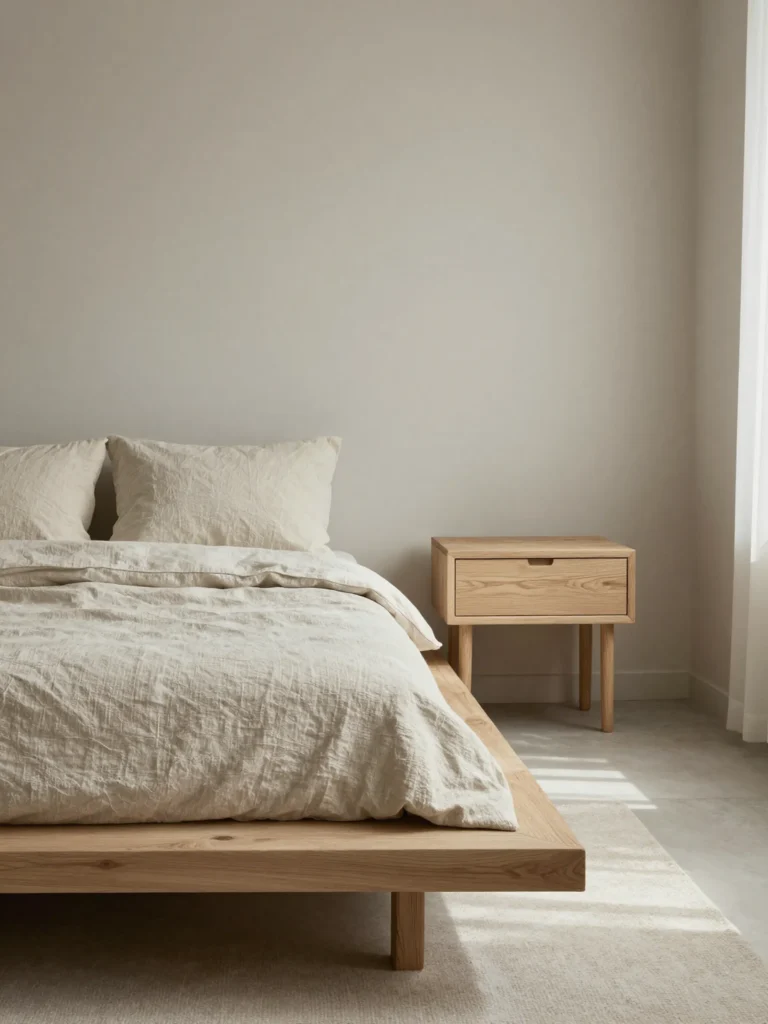
Furniture placement plays a major role in how a bedroom feels.
Japandi bedroom ideas often feature:
- Low beds or platform frames
- Clean-lined bedside tables
- Minimal storage with concealed handles
Keeping furniture visually grounded helps create a sense of stability, which naturally supports rest.
Let Texture Replace Decoration

Because decor is minimal, texture becomes essential.
Subtle texture can be introduced through:
- Linen or cotton bedding
- Wool or jute rugs
- Natural wood grain
- Clay or ceramic bedside pieces
Japandi bedroom ideas use texture to add warmth without clutter, creating depth while maintaining calm.
Use Lighting to Support Rest
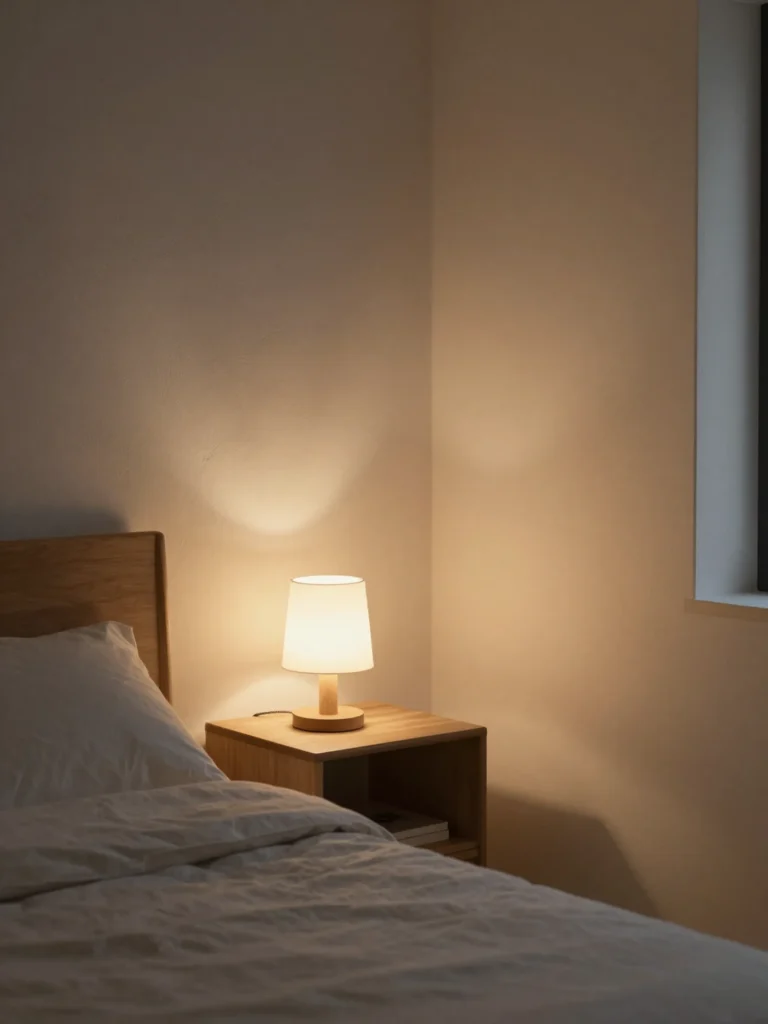
Lighting should feel gentle and indirect.
In Japandi bedrooms:
- Harsh overhead lighting is avoided
- Warm bedside lamps are preferred
- Natural daylight is softened through curtains
Thoughtful lighting choices help the bedroom transition smoothly from day to night, reinforcing its role as a place for rest.
Keep Decor Intentional and Sparse
Decor in a Japandi bedroom is never accidental.
Instead of filling surfaces, focus on:
- One or two meaningful objects
- Natural materials
- Negative space around decor
Japandi bedroom ideas treat empty space as part of the design, allowing the room to feel calm rather than unfinished.
Japandi Bedrooms Are Designed for How You Feel
Japandi bedroom ideas succeed because they reduce sensory overload.
Through soft colors, natural textures, low furniture, and intentional spacing, these bedrooms encourage rest rather than stimulation. The room becomes a place to unwind, not a space to impress. These principles extend beyond the bedroom and can also be seen in Japandi living room ideas that focus on balance, warmth, and simplicity.
Final Thought
Japandi bedroom ideas show that a restful space doesn’t require excess. The same calm approach works beautifully in guest spaces as well, especially in thoughtfully styled Japandi guest room ideas designed for comfort and ease. By focusing on simplicity, warmth, and intention, it’s possible to create a bedroom that feels balanced, calm, and deeply comfortable—night after night.


